
Prime vs Mature Beef: Colour, Tenderness & Best Cooking Method
Not all beef is meant to cook the same way. Here is how age, marbling and diet can affect colour, texture and eating experience, so you can choose the right beef for the right meal.
In two lines
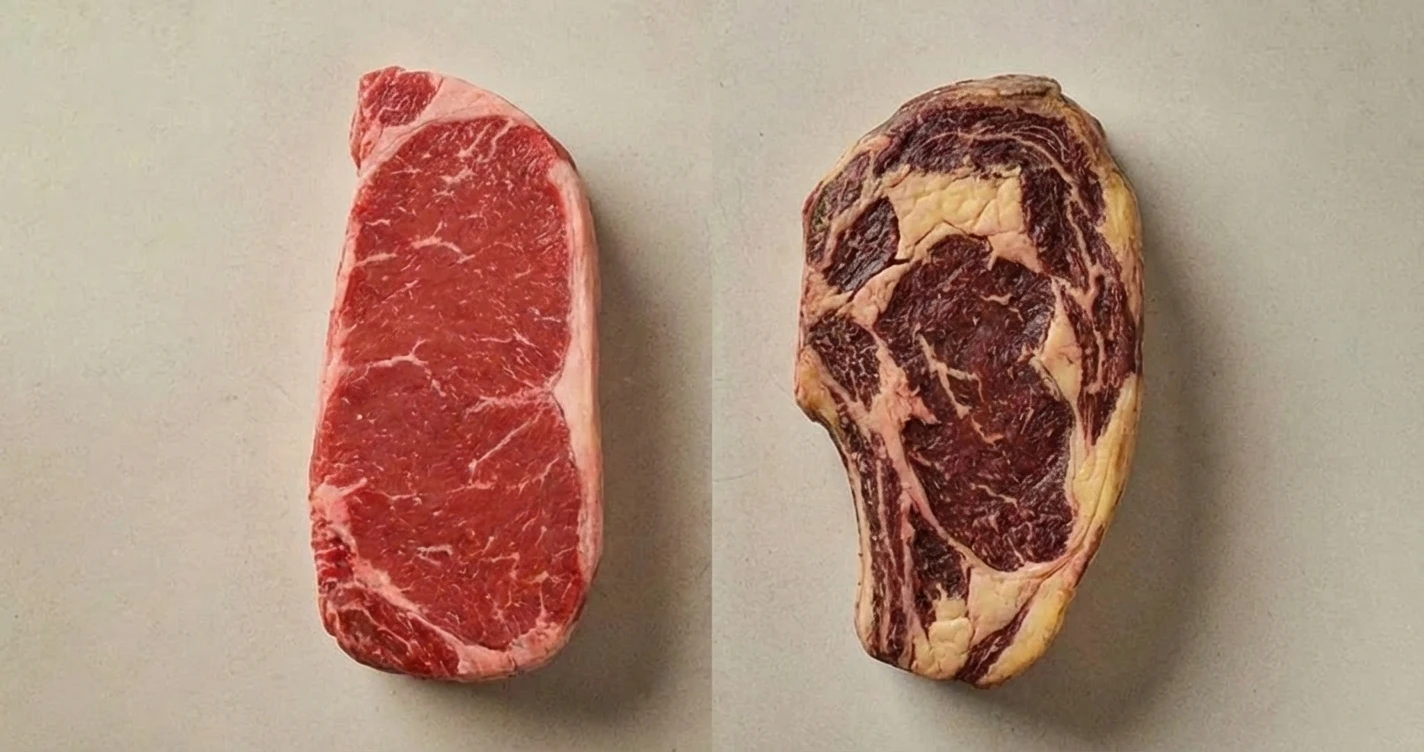
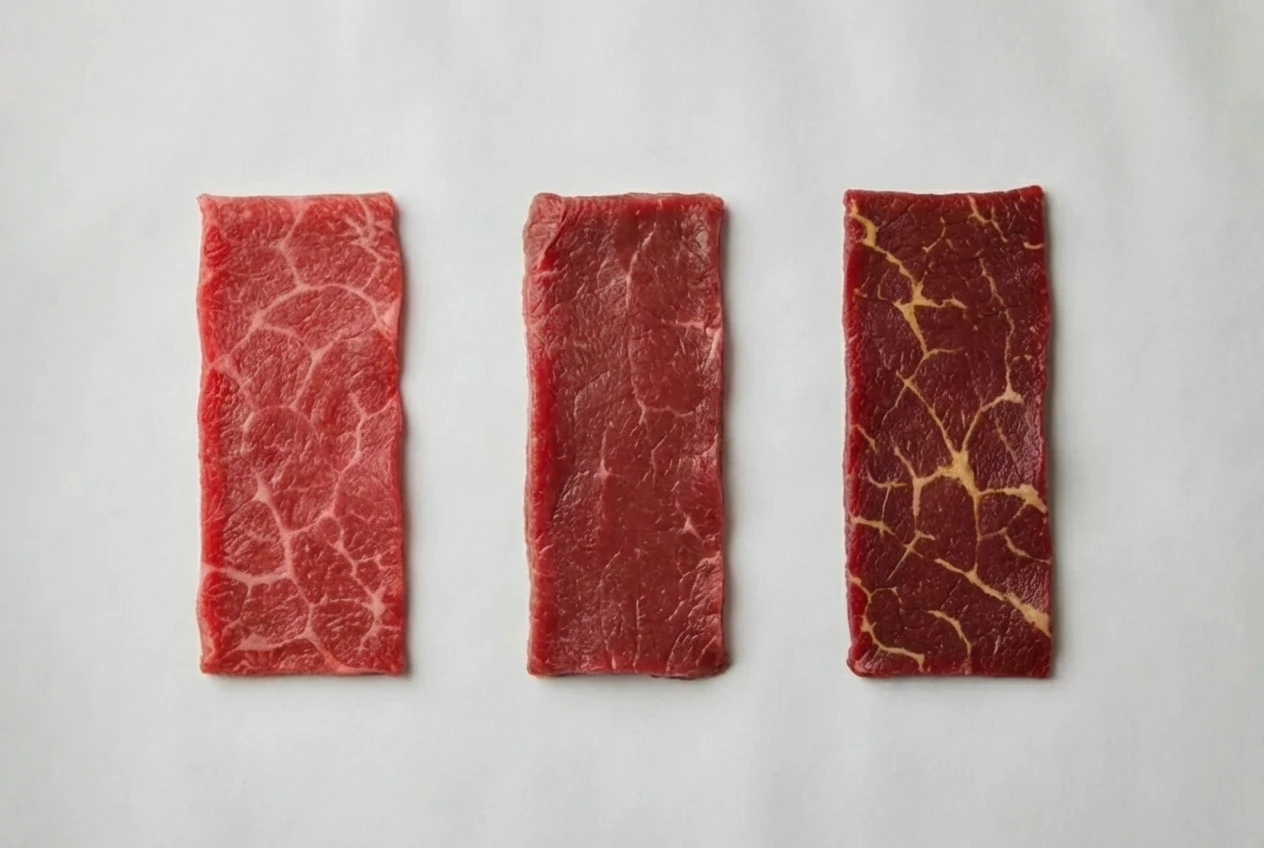
Older cattle generally have more myoglobin, so the lean can look darker red. Younger beef is generally more tender, but cut, handling, aging, cooking method and doneness still matter.
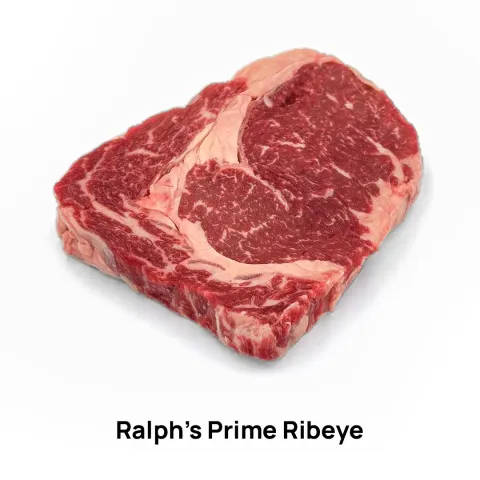
Marbling is the fine intramuscular fat inside the meat. It generally supports juiciness and eating quality, especially for quick-cook steak cuts like ribeye and striploin.
Choosing the right My MeatBox beef range
My MeatBox carries different beef options for different budgets, cuts and cooking styles. The key is to match the beef range with how you plan to cook it.
- For steak nights: choose younger, more marbled beef such as our Prime Beef range, especially for pan-sear, grill or reverse sear.
- For mixed home cooking: choose a practical box like Prime Beef Box, which covers steak meals, minced beef dishes and quick everyday cooking.
- For everyday cooking: leaner beef can work well for stir-fry, mince dishes or sliced cooking, depending on the cut.
- For rendang, stew, curry or braise: mature or connective-tissue-rich cuts can become tender and flavourful when cooked slowly with moisture.
This is why one beef cut should not be judged the same way as another. Ribeye, striploin, sirloin, tenderloin, mince and braising cuts all have different textures and best-use methods.
Quick comparison
| What to compare | Younger / Prime range | Mature / leaner beef |
|---|---|---|
| Lean colour | Usually brighter red | Often darker red due to higher myoglobin |
| Texture | Generally more tender, depending on cut and cooking | Can be firmer or denser, especially in harder-working muscles |
| Marbling | Often better suited for quick sear when marbling is present | Often leaner, with deeper flavour when cooked correctly |
| Best uses | Pan-sear, grill, reverse sear, quick roast | Braise, stew, rendang, curry, mince or slow roast |
| Fat colour | White to cream, depending on diet and breed | May look more yellow in some pasture-fed cattle due to carotenoids |
What actually changes with age?
1) Colour: myoglobin
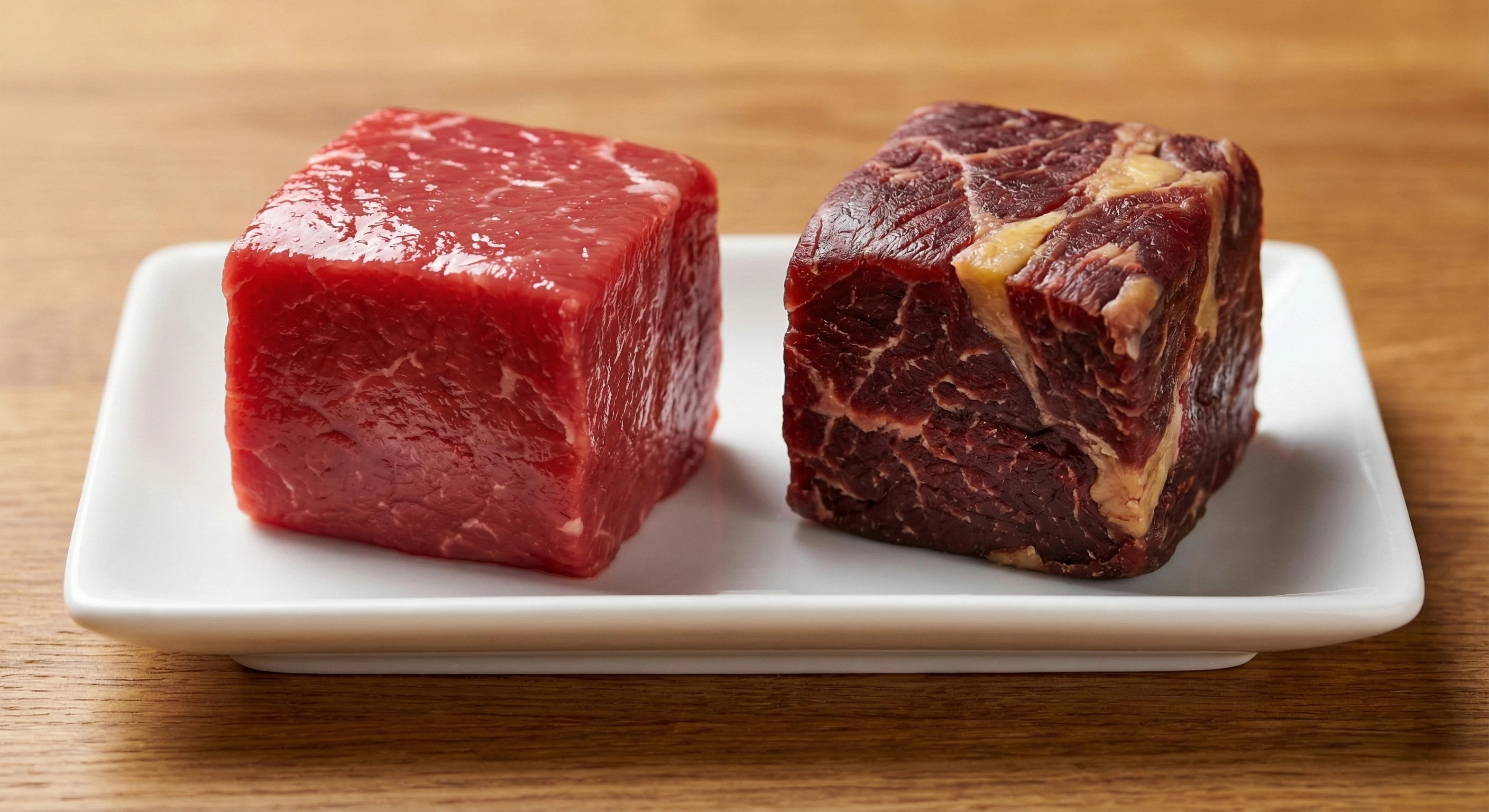
Myoglobin is one of the main proteins that gives red meat its colour. Older animals generally have more myoglobin, so the lean can look darker. A darker colour is not automatically a freshness issue by itself.
2) Texture: connective tissue
As cattle mature, collagen can form more stable cross-links. This is one reason mature beef may feel firmer if cooked quickly. With enough time and moisture, some collagen can soften into gelatin, which is why braising and stewing work well for suitable cuts.
3) Marbling: eating quality in fast sears
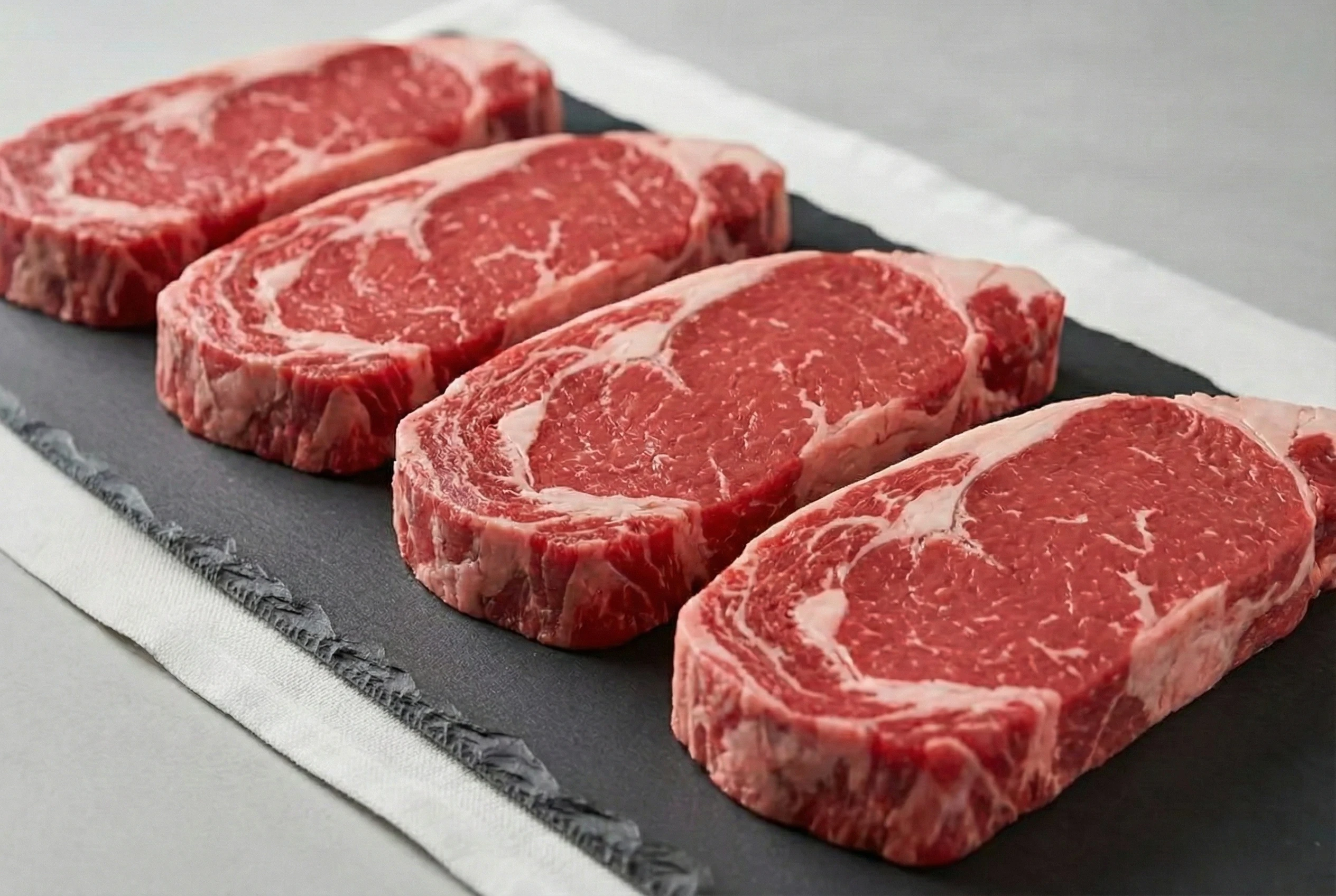
Marbling helps with juiciness, flavour and overall eating quality, especially in quick-cook steak cuts. It is one reason marbled ribeye and striploin are popular for hot-pan searing and grilling.
Choose by cooking method
Fast sear / grill
-
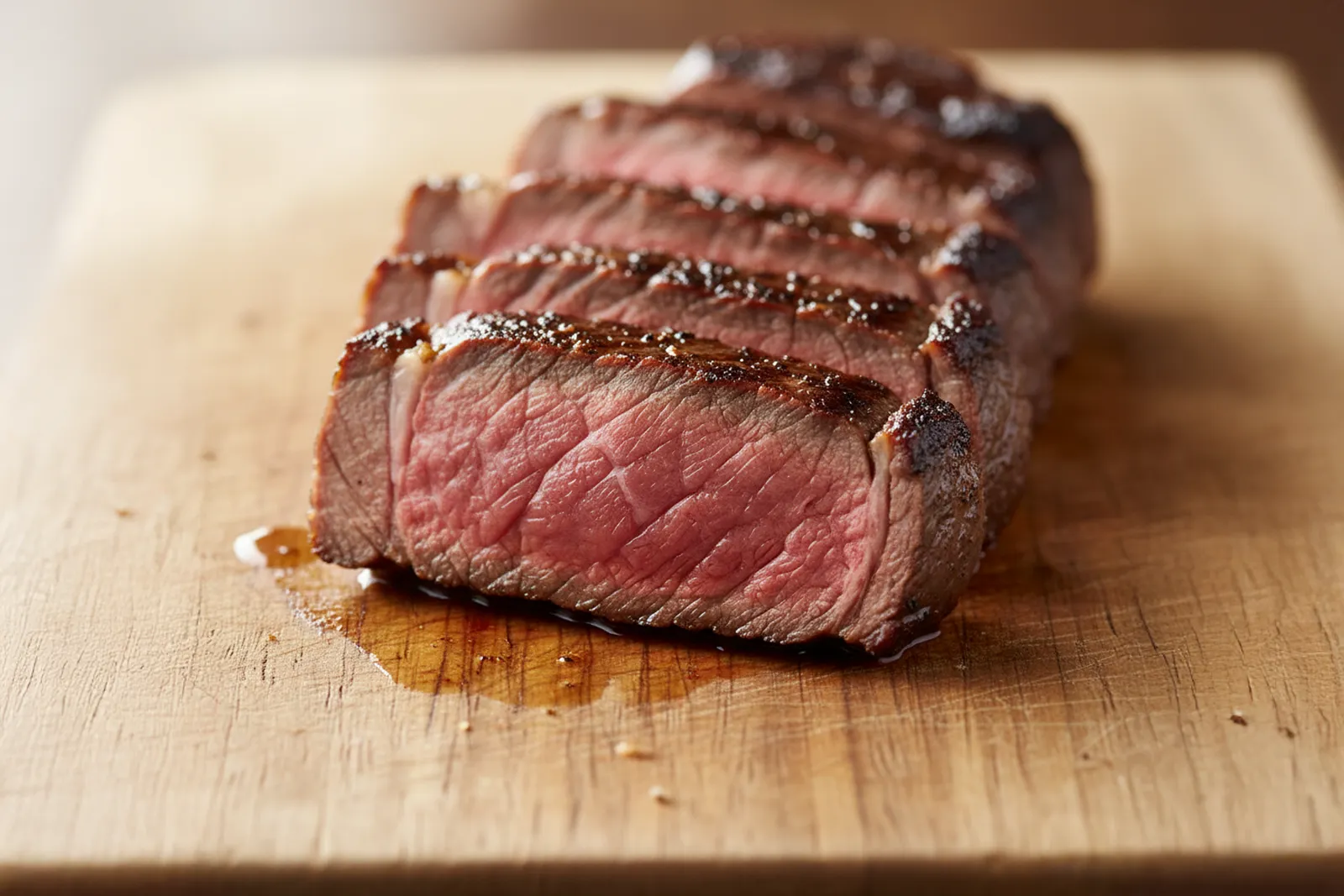
Best with younger, steak-focused cuts with enough marbling. For most home cooks, 2.5–3.5 cm is a practical steak thickness.
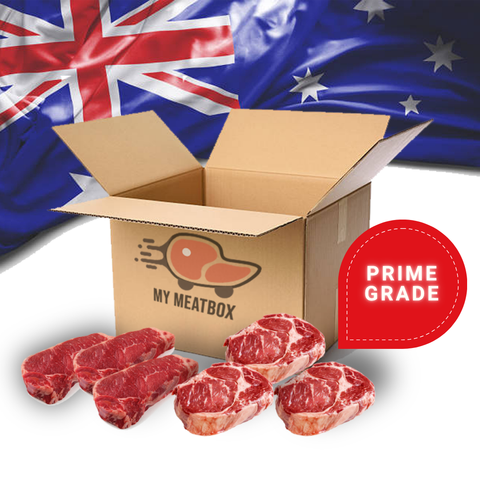
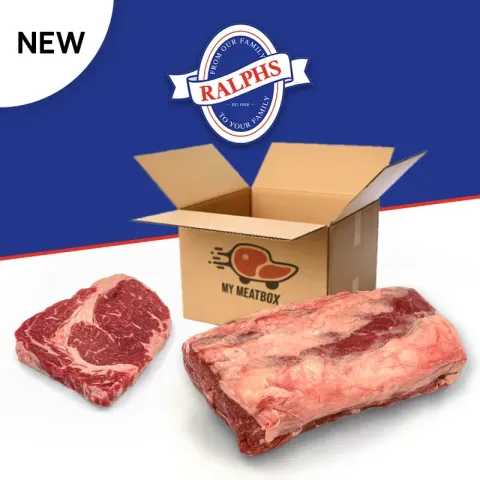
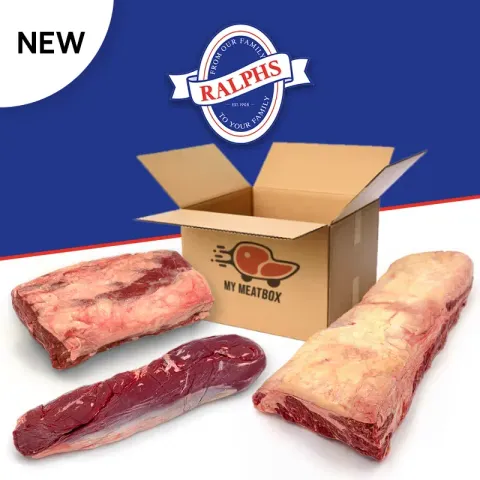
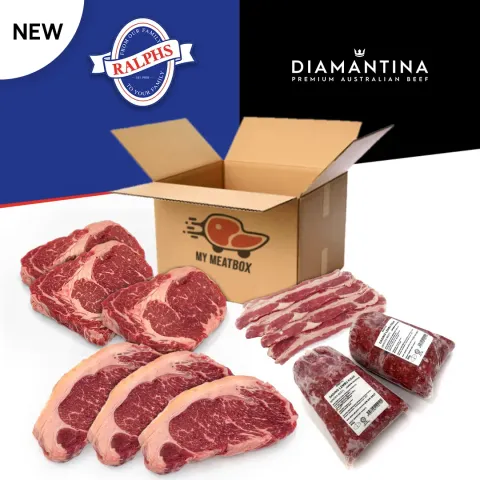
Ralph’s Prime Grass-Fed Beef Box | Australia Prime Steak Box | Prime Beef Box - Season before cooking. For thicker steaks, salting 40–60 minutes ahead can help the surface cook better.
- Preheat the pan properly before searing. A very hot surface helps build crust quickly.
- Rest 5–7 minutes before slicing so the juices redistribute.
Low & slow / braise
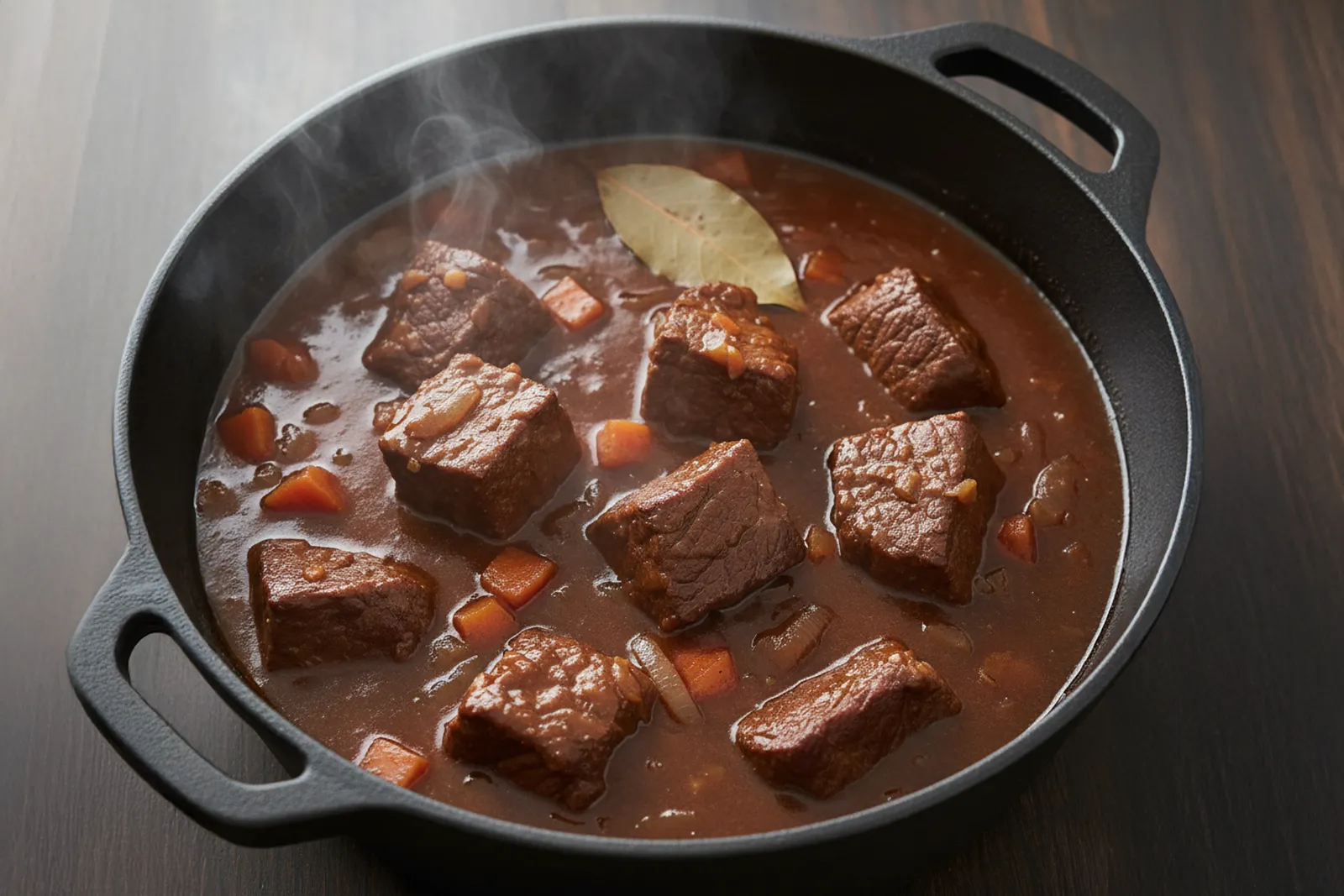
- Best for leaner cuts, mature beef or muscles with more connective tissue.
- Moist heat and time help suitable cuts become softer and more flavourful.
- Good for rendang, stew, curry, soup, braised beef and slow roasts.
Ready to choose?
Pick your beef based on how you cook, not just by price.
- Prime Beef Box: suitable if you want steak cuts plus minced beef and streaky beef for everyday meals.
- Ralph’s Prime Grass-Fed Beef Box: suitable for steak nights and batch prep, with block cutting available.
- Australia Prime Steak Box: suitable for easy ready-to-sear steak portions.
Shop Prime Beef Box Shop Ralph’s Prime Box Shop Prime Steak Box
Storage & handling at home
- Keep chilled at 0–4 °C.
- Keep frozen at around −18 °C for longer storage.
- Thaw frozen beef in the fridge where possible.
- Keep raw meat juices away from ready-to-eat food, cooked food, utensils and chopping boards.
Halal-aware wording: we refer to steak juices or myoglobin-tinted water, not “blood”.